


Uriah Heep – The Shadow and the Wind 1973–1974: Rediscovering a Classic Era
Hi, Phil Aston here from Now Spinning Magazine, and today we’re heading deep into the golden years of Uriah Heep — 1973 to 1974 — a mere twelve months on paper, but one of the richest creative periods in the band’s history.
This new 5-CD box set, The Shadow and the Wind 1973–1974, gathers together two studio albums (Sweet Freedom and Wonderworld), the legendary Live 1973 double album, plus Live at Shepperton 1974 — all newly remastered and beautifully presented.
A Modest Box with Mighty Music
At first glance, you might think: “Why such a small box for such a big band?” It all comes down to rights management. BMG released a large Heep box not long ago, and this new set comes via HNE, who’ve put real affection into its presentation.
The big selling point? The Live 1973 recordings — one of the finest live albums ever made — are once again available without having to pay collector’s prices for the long-out-of-print 2003 Sanctuary edition. Add to that Live at Shepperton 1974, which is also scarce on CD, and this becomes an essential pickup for fans old and new.
Inside, you’ll find a lovely booklet featuring a new interview with Mick Box, not recycled from old press pieces, along with photos and reproductions from the original 1973 tour programme. Mastering engineer Tony Dixon (Masterpiece) has given the recordings a fresh polish, so these albums sound full of life once again.
The Music
Sweet Freedom (1973) and Wonderworld (1974) both come with the bonus tracks from their last deluxe editions. These albums show a band working at full tilt — recording, touring, and barely pausing for breath.
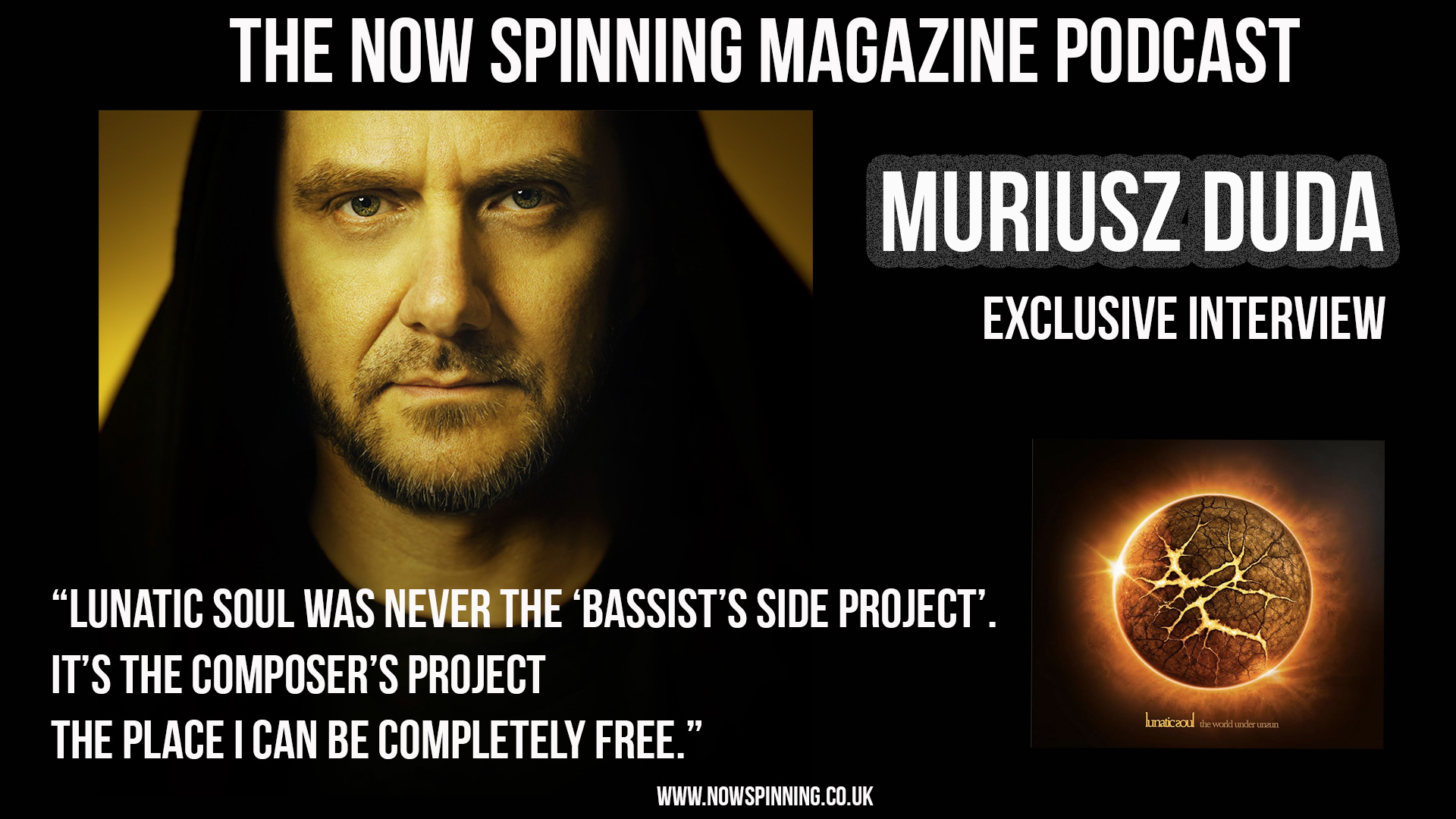
But it’s the Live 1973 album that truly defines this era. Recorded at Birmingham Town Hall, it’s a masterclass in live energy and musicianship. What makes it stand out is Gary Thain’s bass — not just supporting, but leading, weaving in and out of the mix with a power and melodic sensibility reminiscent of Chris Squire or Riverside’s Mariusz Duda. Producer Gerry Bron captured the band at the peak of their powers — Mick Box, Ken Hensley, Lee Kerslake, and David Byron all shining, but Thain’s playing steals the show.
Some fans debate the rock’n’roll medley at the end, but for many of us, that was the highlight back in the day. You can almost hear Queen taking notes on those layered backing vocals and harmonies!
In just one year, Uriah Heep released two studio albums and two legendary live recordings — a staggering output that speaks to how hard they were pushed at the time. The schedule eventually took its toll, but the music from this era remains timeless.
This box gives new fans a chance to experience that magic without hunting down expensive or deleted editions. And for long-time Heep devotees, it’s a lovingly curated reminder of why we fell in love with this band in the first place.
I’ve always loved every Uriah Heep lineup, right through to the modern era, but if I had to pick one period that defined them, it’s this. The Shadow and the Wind 1973–1974 captures a band at the top of their game — powerful, melodic, and utterly unique.
If you’ve never heard Uriah Heep Live 1973, you’re in for one of the most thrilling performances ever committed to tape. And if you have, this box set is a beautiful way to revisit it.
Phil Aston | Now Spinning Magazine




Ordered my copy through Amazon on Nov. 13, 2025. Amazon states “order received, will notify when shipping”. Anyone have any more detailed information?